
30 दिनों में श्रमिक आवास शिविर कैसे बनाएं

निर्माण कंपनियों, खनन संचालकों, तेल और गैस ठेकेदारों तथा बुनियादी ढांचा डेवलपर्स के लिए, परियोजना शुरू करते समय श्रमिकों के लिए आरामदायक आवास उपलब्ध कराना अक्सर पहली प्राथमिकताओं में से एक होता है। हालांकि, पारंपरिक निर्माण विधियों में कई महीने लग सकते हैं, जिससे संचालन में देरी होती है और लागत बढ़ती है।
आज, पूर्वनिर्मित और मॉड्यूलर भवन प्रौद्योगिकियां केवल 30 दिनों में पूरी तरह कार्यात्मक श्रमिक आवास शिविर स्थापित करना संभव बनाती हैं। उचित योजना और सही निर्माण समाधान के साथ, कंपनियां अपने कार्यबल के लिए जल्दी ही सुरक्षित, आरामदायक और कुशल रहने के वातावरण बना सकती हैं।
तेजी से श्रमिक आवास का महत्व क्यों है
कई बड़े पैमाने की परियोजनाएं दूरदराज के क्षेत्रों में स्थित होती हैं जहां मौजूदा आवास सीमित या अनुपलब्ध होते हैं। श्रमिक आवास में देरी से निम्न समस्याएं हो सकती हैं:
* परियोजना अनुसूची में व्यवधान
* बढ़ी हुई श्रम लागत
* कम श्रमिक उत्पादकता
* श्रमिकों की भर्ती और उन्हें बनाए रखने में कठिनाई
* स्वास्थ्य और सुरक्षा संबंधी चिंताएं
एक अच्छी तरह से डिज़ाइन किया गया आवास शिविर श्रमिकों को आराम से विश्राम करने की सुविधा देता है, जिससे समग्र परियोजना दक्षता और मनोबल में सुधार होता है।
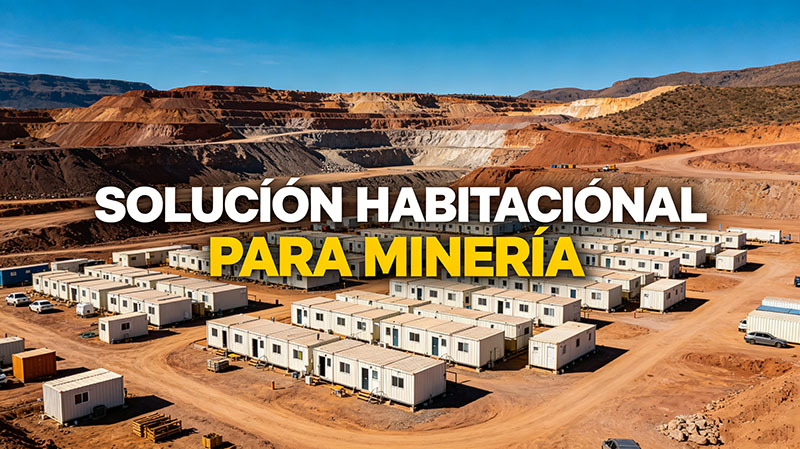
चरण 1: शिविर की आवश्यकताएं निर्धारित करें
निर्माण शुरू होने से पहले, परियोजना प्रबंधकों को शिविर की आवश्यकताओं का निर्धारण करना चाहिए।
मुख्य विचारों में शामिल हैं:
निवासियों की संख्या
अनुमान लगाएं कि पूरी परियोजना के दौरान कितने श्रमिकों को आवास की आवश्यकता होगी। यदि आवश्यक हो तो भविष्य में कार्यबल विस्तार को ध्यान में रखें।
शिविर की अवधि
क्या शिविर का उपयोग कुछ महीनों के लिए किया जाएगा या कई वर्षों के लिए? इसका उत्तर भवन सामग्री और बुनियादी ढांचे के चयन को प्रभावित करता है।
आवश्यक सुविधाएं
अधिकांश श्रमिक शिविरों में शामिल होते हैं:
* शयनगृह
* साइट कार्यालय
* भोजन कक्ष
* रसोईघर
* कपड़े धोने की सुविधाएं
* शौचालय और स्नानघर
* मनोरंजन कक्ष
* सुरक्षा कार्यालय
* चिकित्सा केंद्र
आवश्यकताओं की स्पष्ट समझ शिविर के डिजाइन और बजट योजना को अनुकूलित करने में मदद करती है।
चरण 2: मॉड्यूलर निर्माण चुनें
पारंपरिक भवनों में अक्सर व्यापक साइट तैयारी, नींव का काम और लंबी निर्माण समय-सारणी की आवश्यकता होती है।
पूर्वनिर्मित मॉड्यूलर भवन एक तेज विकल्प प्रदान करते हैं।
लोकप्रिय विकल्पों में शामिल हैं:
ये इकाइयां मुड़ी हुई अवस्था में पहुंचती हैं और साइट पर तेजी से स्थापित की जा सकती हैं। इनका कॉम्पैक्ट परिवहन आकार परिवहन लागत को कम करता है और साथ ही त्वरित स्थापना की अनुमति देता है।
अलग किए जा सकने वाले कंटेनर हाउस
अलग किए जा सकने वाली इकाइयां उन परियोजनाओं के लिए लचीलापन प्रदान करती हैं जिनमें बार-बार स्थानांतरण और लंबे समय तक उपयोग की आवश्यकता होती है।
K-प्रकार के हाउस अपनी किफायती संरचना और विस्तार योग्य डिजाइन के कारण बड़े श्रमिक शिविरों के लिए आमतौर पर उपयोग किए जाते हैं।
पूर्वनिर्मित प्रणालियों का उपयोग पारंपरिक तरीकों की तुलना में निर्माण समय को 50% से अधिक कम कर सकता है।
चरण 3: साइट तैयार करें
साइट की तैयारी के लिए आमतौर पर परियोजना अनुसूची के पहले सप्ताह की आवश्यकता होती है।
महत्वपूर्ण कार्यों में शामिल हैं:
* भूमि की सफाई
* भूमि का समतलीकरण
* जल निकासी की योजना
* उपयोगिता कनेक्शन
* पहुंच सड़क का निर्माण
* नींव की तैयारी
क्योंकि मॉड्यूलर इमारतों को पारंपरिक संरचनाओं की तुलना में हल्की नींव की आवश्यकता होती है, इसलिए साइट की तैयारी अक्सर जल्दी पूरी की जा सकती है।
चरण 4: आवास इकाइयां स्थापित करें
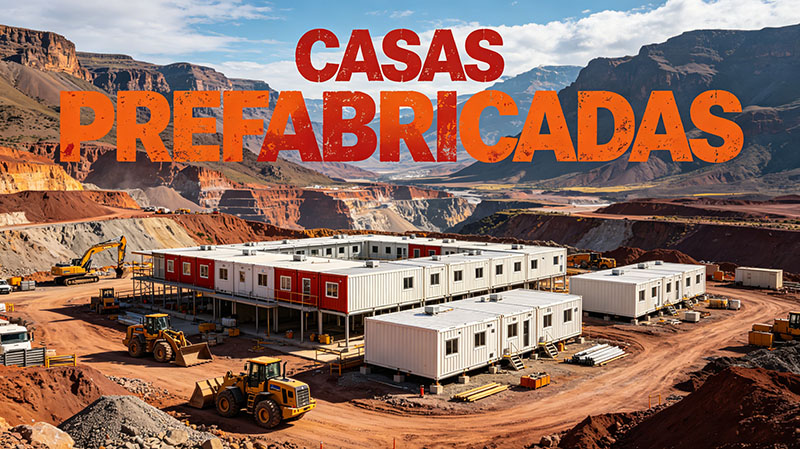
एक बार साइट तैयार हो जाने के बाद, आवास इकाइयों को पहुंचाया और असेंबल किया जा सकता है।
मॉड्यूलर स्थापना के लाभों में शामिल हैं:
* कम श्रम आवश्यकताएं
* तेज तैनाती
* एकसमान निर्माण गुणवत्ता
* मौसम से संबंधित न्यूनतम देरी
शिविर के आकार के आधार पर, दर्जनों इकाइयां कुछ दिनों के भीतर स्थापित की जा सकती हैं।
उदाहरण के लिए, 100 श्रमिकों के लिए आवास वाला एक शिविर पूर्वनिर्मित कंटेनर घरों का उपयोग करके अक्सर एक से दो सप्ताह के भीतर असेंबल किया जा सकता है।
चरण 5: उपयोगिताओं और बुनियादी ढांचे की स्थापना करें
एक कार्यात्मक श्रमिक शिविर के लिए विश्वसनीय बुनियादी ढांचे की आवश्यकता होती है।
मुख्य प्रणालियों में शामिल हैं:
विद्युत आपूर्ति
प्रकाश व्यवस्था, बिजली के आउटलेट, एयर कंडीशनिंग और उपकरण संचालन की सुविधा प्रदान करें।
जल आपूर्ति
पीने, खाना पकाने, कपड़े धोने और स्वच्छता के लिए पर्याप्त पानी सुनिश्चित करें।
अपशिष्ट जल प्रबंधन
सेप्टिक प्रणालियां स्थापित करें या स्थानीय अपशिष्ट जल उपचार सुविधाओं से जोड़ें।
इंटरनेट और संचार
विश्वसनीय संचार प्रणालियां परिचालन दक्षता और श्रमिक संतुष्टि में सुधार करती हैं।
अग्नि सुरक्षा प्रणालियां
इमारतों को अग्निशामक यंत्रों, धुआं डिटेक्टरों, आपातकालीन निकास और निकासी योजनाओं से सुसज्जित करें।
चरण 6: आरामदायक रहने की परिस्थितियां बनाएं
श्रमिकों का कल्याण सीधे उत्पादकता को प्रभावित करता है।
आधुनिक आवास शिविरों को प्रदान करना चाहिए:
* इन्सुलेटेड रहने की जगहें
* एयर कंडीशनिंग या हीटिंग
* आरामदायक सोने की व्यवस्था
* पर्याप्त वेंटिलेशन
* स्वच्छ स्वच्छता सुविधाएँ
* मनोरंजन और विश्राम क्षेत्र
एक आरामदायक वातावरण श्रमिकों के बदलाव को कम करने और मनोबल में सुधार करने में मदद करता है।
चरण 7: सुरक्षा मानकों का अनुपालन सुनिश्चित करें
श्रमिक आवास को स्थानीय नियमों और सुरक्षा आवश्यकताओं का अनुपालन करना चाहिए।
समीक्षा किए जाने वाले क्षेत्रों में शामिल हैं:
* भवन संहिताएँ
* अग्नि सुरक्षा नियम
* व्यावसायिक स्वास्थ्य मानक
* विद्युत सुरक्षा आवश्यकताएँ
* पर्यावरणीय नियम
एक अनुभवी प्रीफैब्रिकेटेड भवन आपूर्तिकर्ता के साथ साझेदारी करने से पूरे परियोजना के दौरान अनुपालन सुनिश्चित करने में मदद मिल सकती है।
सामान्य 30-दिवसीय निर्माण कार्यक्रम
दिन 1–5
परियोजना योजना, डिज़ाइन अनुमोदन और सामग्री तैयारी।
दिन 6–10
स्थल की सफाई, समतलीकरण और नींव की तैयारी।
दिन 11–20
मॉड्यूलर आवास इकाइयों की डिलीवरी और स्थापना।
दिन 21–25
उपयोगिता कनेक्शन और बुनियादी ढाँचे की स्थापना।
दिन 26–30
आंतरिक साज-सज्जा, निरीक्षण, परीक्षण और अंतिम हस्तांतरण।
इस कार्यक्रम का पालन करके, कंपनियाँ एक महीने के भीतर पूरी तरह से परिचालन योग्य श्रमिक आवास शिविर स्थापित कर सकती हैं।
मॉड्यूलर श्रमिक आवास शिविरों के लाभ
पारंपरिक निर्माण की तुलना में, मॉड्यूलर शिविर कई लाभ प्रदान करते हैं:
* तेज़ परियोजना शुरुआत
* कम निर्माण लागत
* कम श्रम आवश्यकताएँ
* लचीली विस्तार क्षमता
* आसान स्थानांतरण
* टिकाऊ भवन निर्माण प्रथाएँ
ये लाभ मॉड्यूलर आवास को दुनिया भर में निर्माण, खनन, ऊर्जा और बुनियादी ढाँचा परियोजनाओं के लिए एक बढ़ता हुआ लोकप्रिय विकल्प बनाते हैं।
निष्कर्ष
श्रमिक आवास शिविर का निर्माण अब महीनों के निर्माण और महत्वपूर्ण ऑन-साइट श्रम की आवश्यकता नहीं रखता। Z-फोल्डिंग कंटेनर हाउस, डिटैचेबल कंटेनर हाउस और K-टाइप प्रीफैब्रिकेटेड भवनों जैसे आधुनिक प्रीफैब्रिकेटेड समाधानों के साथ, कंपनियाँ कम से कम 30 दिनों में सुरक्षित और आरामदायक श्रमिक आवास स्थापित कर सकती हैं।
तेज़ी, लचीलेपन और लागत दक्षता की तलाश करने वाले परियोजना मालिकों के लिए, मॉड्यूलर आवास शिविर कार्यबल आवास का भविष्य हैं।


 हिन्दी
  English
 español
 français
 Deutsch
 русский
 italiano
 português
 Nederlands
 Ελληνικά
 ऑनलाइन सेवा


